
New EU plastic pellet laws begin
Alix Willemez, PhD Plane Crash Survivor
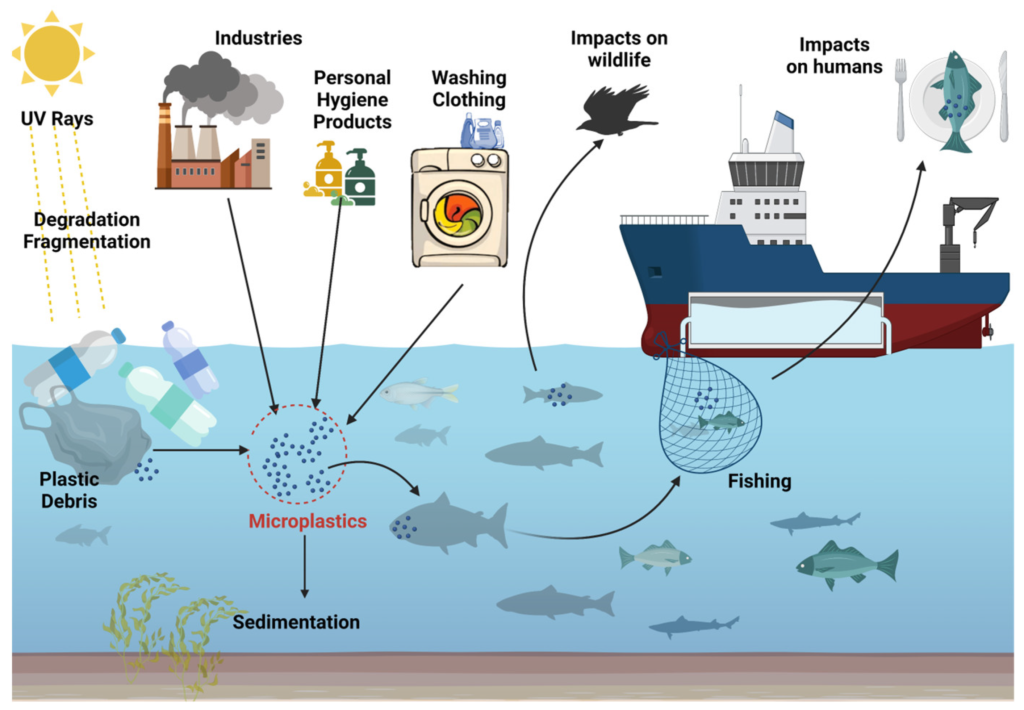
Ziani, K.; Ioniță-Mîndrican, C.-B.; Mititelu, M.; Neacșu, S.M.; Negrei, C.; Moroșan, E.; Drăgănescu, D.; Preda, O.-T. Microplastics: A Real Global Threat for Environment and Food Safety: A State of the Art Review. Nutrients 2023, 15, 617. https://doi.org/10.3390/nu15030617
On 16 December 2025, new EU legislation entered into force to tackle one of the most overlooked sources of pollution: plastic pellets.
Not bags.
Not bottles.
Pellets.
Those tiny plastic beads (the raw material of almost all plastic products) are one of the largest sources of microplastics in soils, rivers and oceans.
Once lost, they:-don’t biodegrade-spread everywhere-accumulate in ecosystemsand potentially in our bodies.
So what did the EU do?
👉 It regulated the problem at the source.
What changes, concretely:
-All operators handling ≥ 5 tonnes of plastic pellets per year must prevent, contain and clean up losses
-Risk-management plans become mandatory.
Transport — including maritime transport — is covered.
-Large and medium companies must obtain certificates of compliance.
Smaller actors get simplified, proportionate rules.
This matters because prevention beats cleanup:
🌍 upstream regulation works
🌍 microplastic pollution is finally treated as a systemic issue, not an individual one.
No grand speeches.
No greenwashing slogans.
Just boring, effective regulation.
The kind that actually reduces pollution.
Good environmental news doesn’t always look dramatic.
Sometimes it looks like rules quietly entering into force.